TL;DR:
- Blind spot calibration aligns vehicle sensors to factory standards, which is mandatory after specific repairs.
- Proper calibration involves specialized static or dynamic methods, with documented verification essential for safety.
Blind spot calibration is the process of aligning and configuring your vehicle’s blind spot monitoring sensors to factory specifications so they accurately detect vehicles in adjacent lanes. Known formally as part of Advanced Driver Assistance Systems (ADAS) calibration, this procedure is not optional after certain repairs. A sensor that sits even a fraction of a degree off its intended angle can miss a vehicle entirely or trigger false alerts, making your safety system less reliable than no system at all. For Portland drivers navigating the I-5 merge or the Burnside Bridge, that gap in detection is a real risk.
What triggers a blind spot calibration?
Blind spot calibration is mandatory after a specific set of repairs and impacts, not just major collisions. OEM calibration requirements define these triggers precisely, and skipping the procedure after any of them puts your safety system in an unknown state.
Common calibration triggers include:
- Rear bumper replacement or removal (sensors are typically mounted behind the rear fascia)
- Quarter panel damage or repair affecting the sensor mounting surface
- Suspension height changes, including lift kits, lowering springs, or air suspension adjustments
- Wheel alignment corrections that alter the vehicle’s geometric baseline
- Any collision impacting the rear corners, even a low-speed parking lot contact
The last point is the one most drivers miss. Even minor cosmetic impacts can shift sensor mounting angles enough to invalidate calibration without triggering a dashboard warning light. The system may appear fully functional while silently failing to detect a vehicle in your blind zone.
Fleet managers face compounded risk here. A vehicle that returns from a body shop without documented recalibration may pass a visual inspection and still carry a compromised blind spot monitoring system across hundreds of miles of daily routes.
Pro Tip: Always request a pre-repair and post-repair scan report from your shop. If the shop cannot produce one, the calibration has not been verified.
How is blind spot calibration performed?
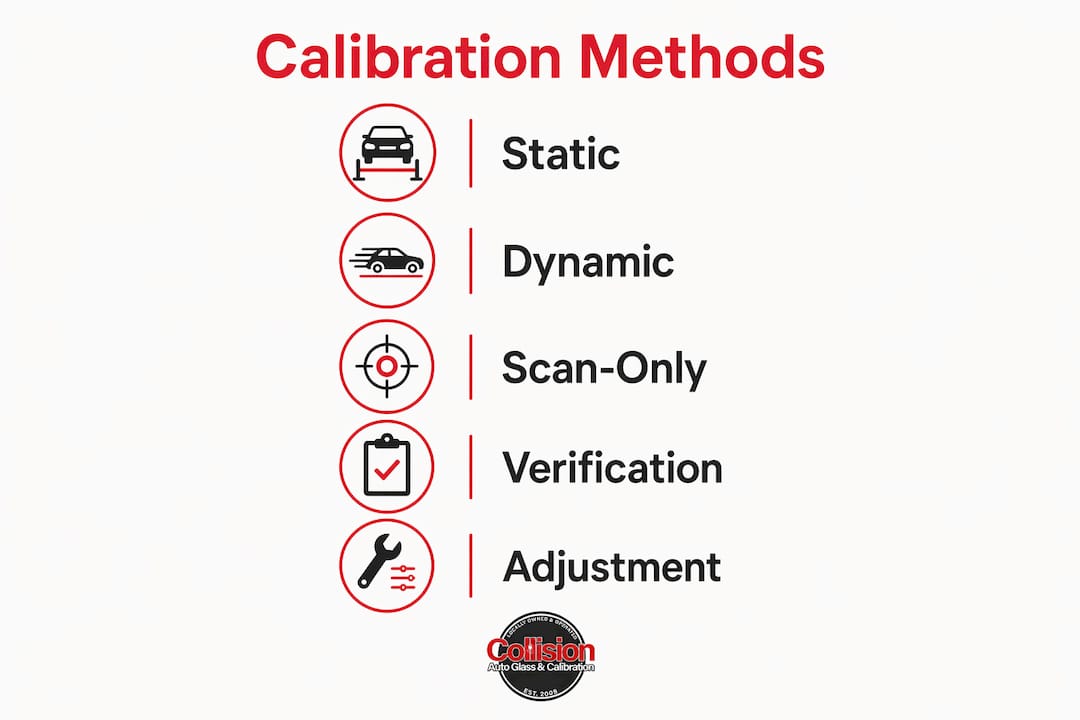
Calibration methods fall into three categories: static, dynamic, and scan-only. Most vehicles require a combination of two or more methods depending on OEM specifications.
Static calibration
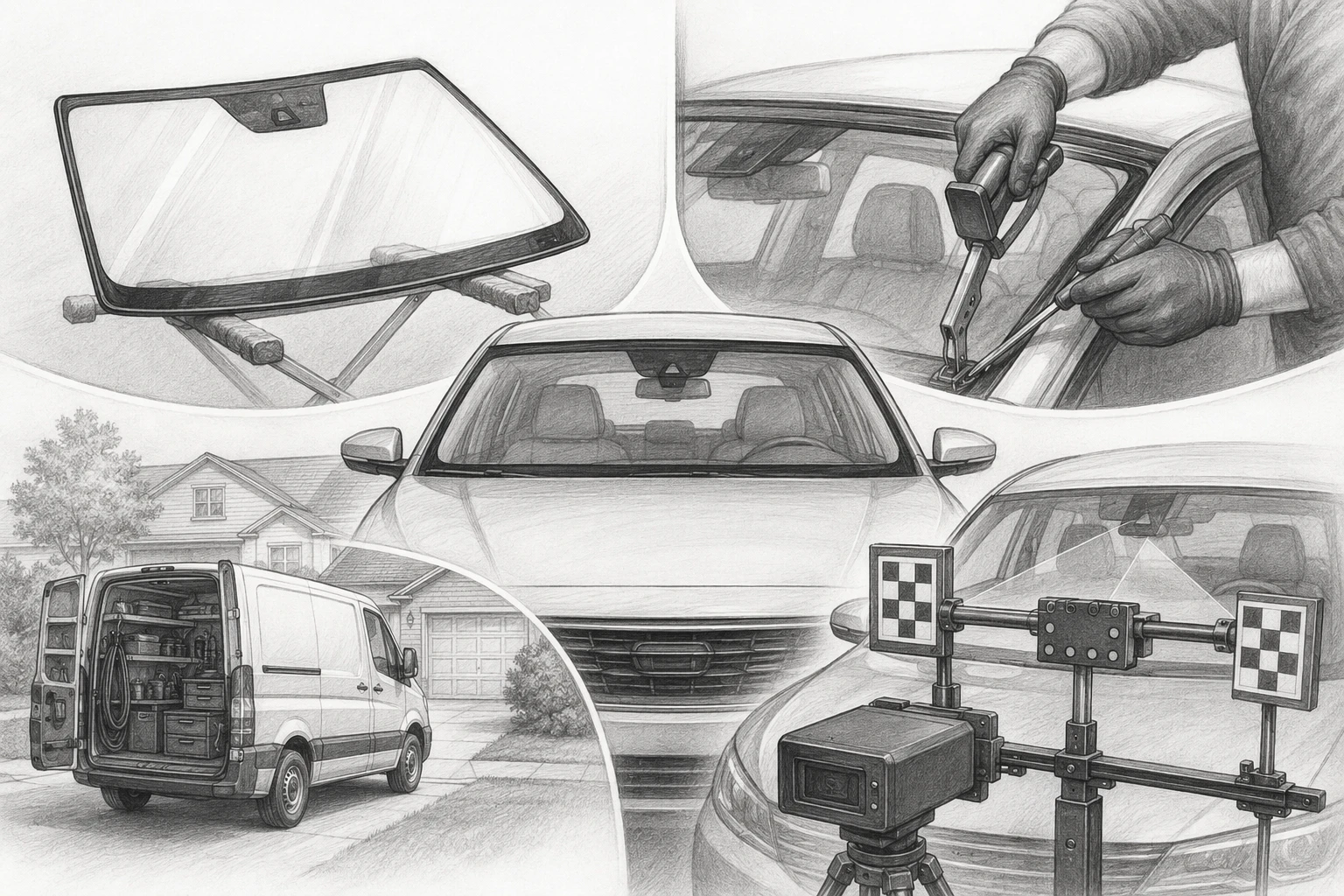
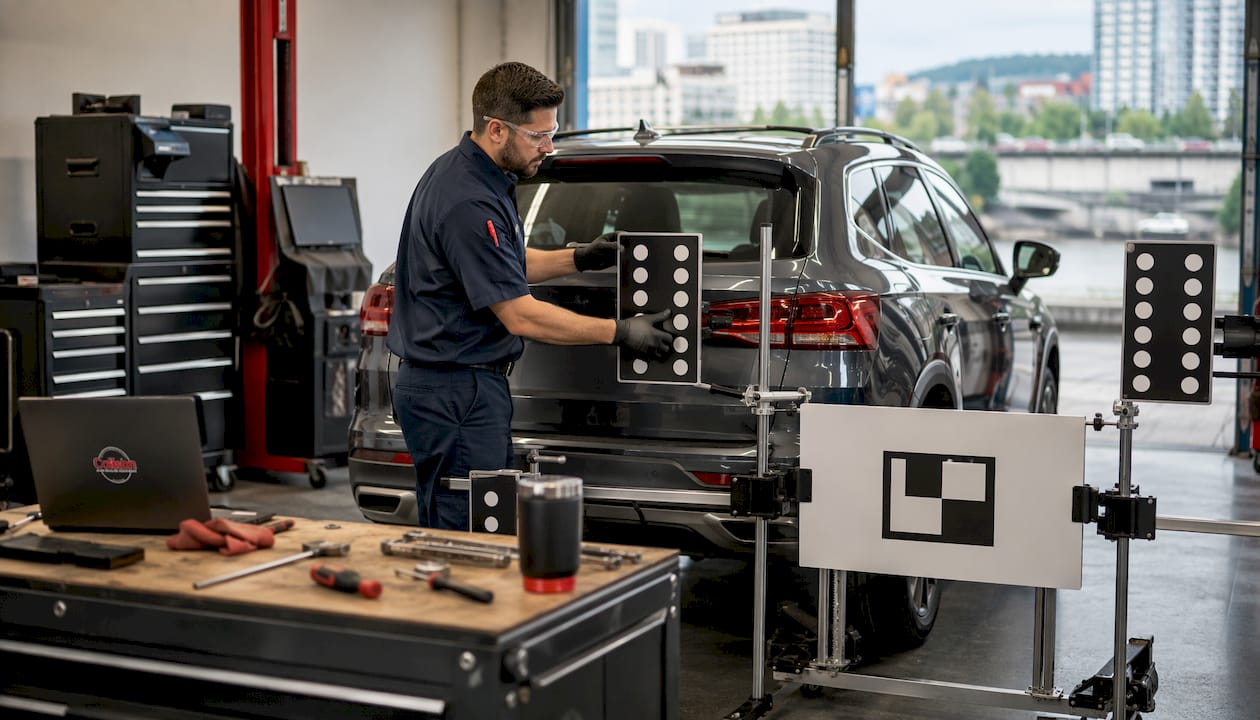
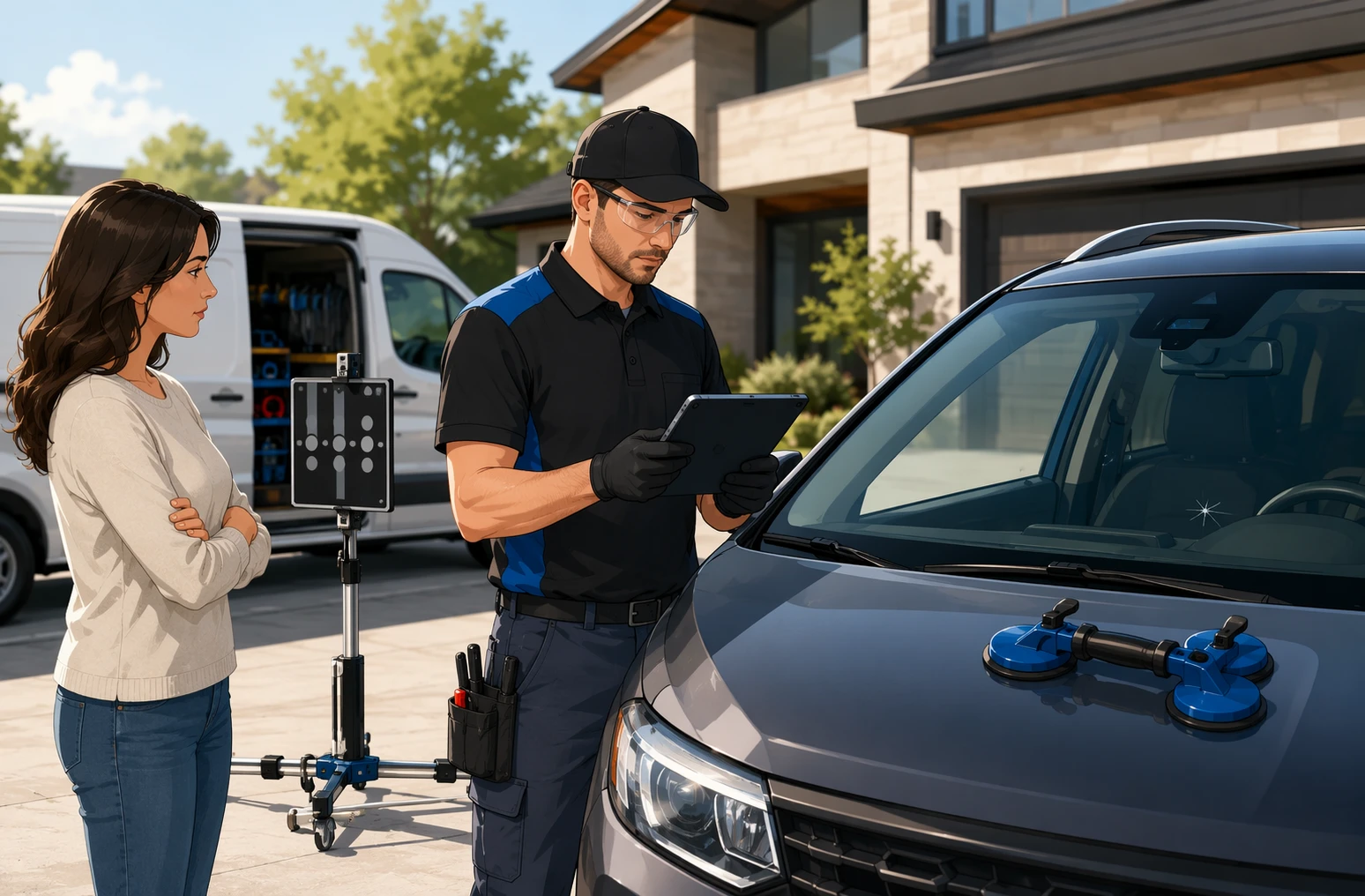
Static calibration takes place inside a controlled shop environment. Technicians position specialized target boards or reflective panels at precise distances and angles from the vehicle. The shop floor must be level, lighting must meet specific requirements, and the vehicle must be at its correct ride height. The diagnostic tool then communicates with the sensor module to confirm alignment against factory tolerances.
Dynamic calibration
Dynamic calibration requires a road drive cycle under specific conditions. The technician drives the vehicle at a defined speed, typically on a road with lane markings, while the system uses real-world data to complete its initialization sequence. Some manufacturers use Doppler frequency reflective targets that simulate moving objects to complete the calibration sequence before the road test phase.
Scan-only calibration
Scan-only calibration uses an OBD diagnostic tool to reinitialize the sensor module after a software update or minor reset. This method does not verify physical sensor alignment and is only appropriate in a narrow set of manufacturer-defined scenarios.
| Method | Environment | Verifies physical alignment | Typical use case |
|---|---|---|---|
| Static | Controlled shop | Yes | Post-repair, bumper replacement |
| Dynamic | On-road drive cycle | Partially | Post-static confirmation |
| Scan-only | Any location | No | Software reset, module replacement |
Pro Tip: Ask your technician which method your vehicle’s OEM requires. Accepting scan-only calibration when your vehicle needs static calibration leaves sensor alignment unverified.
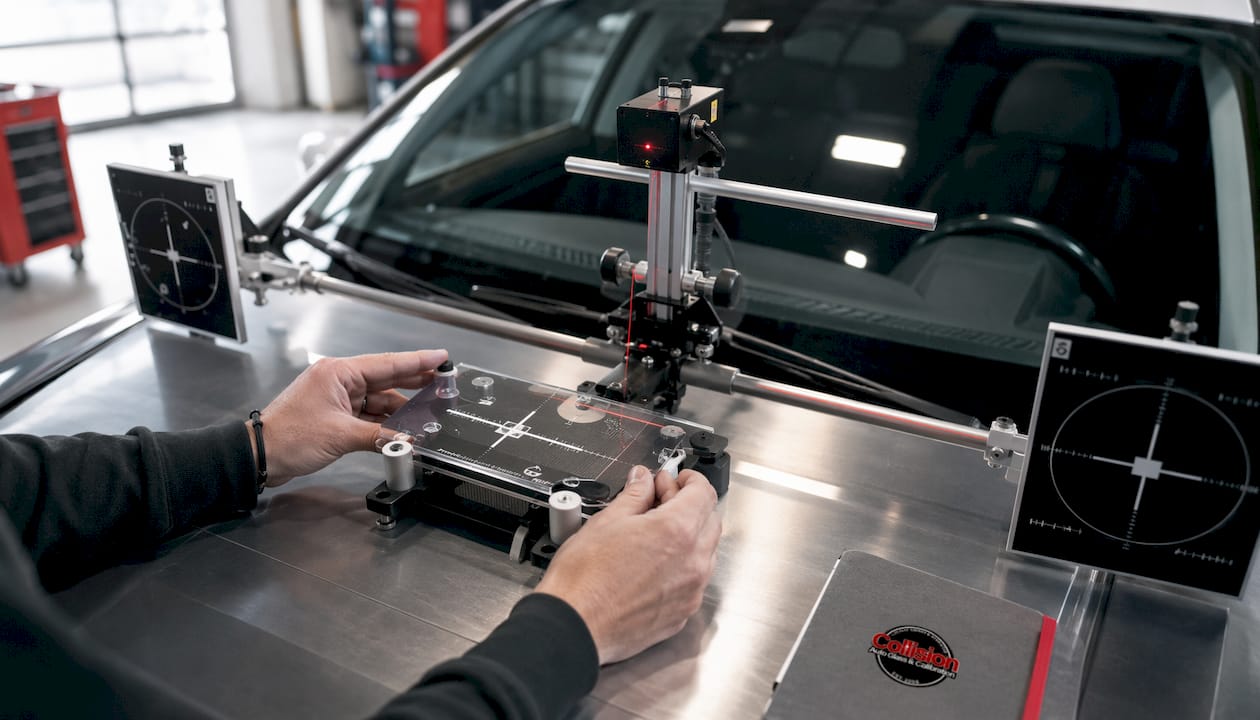
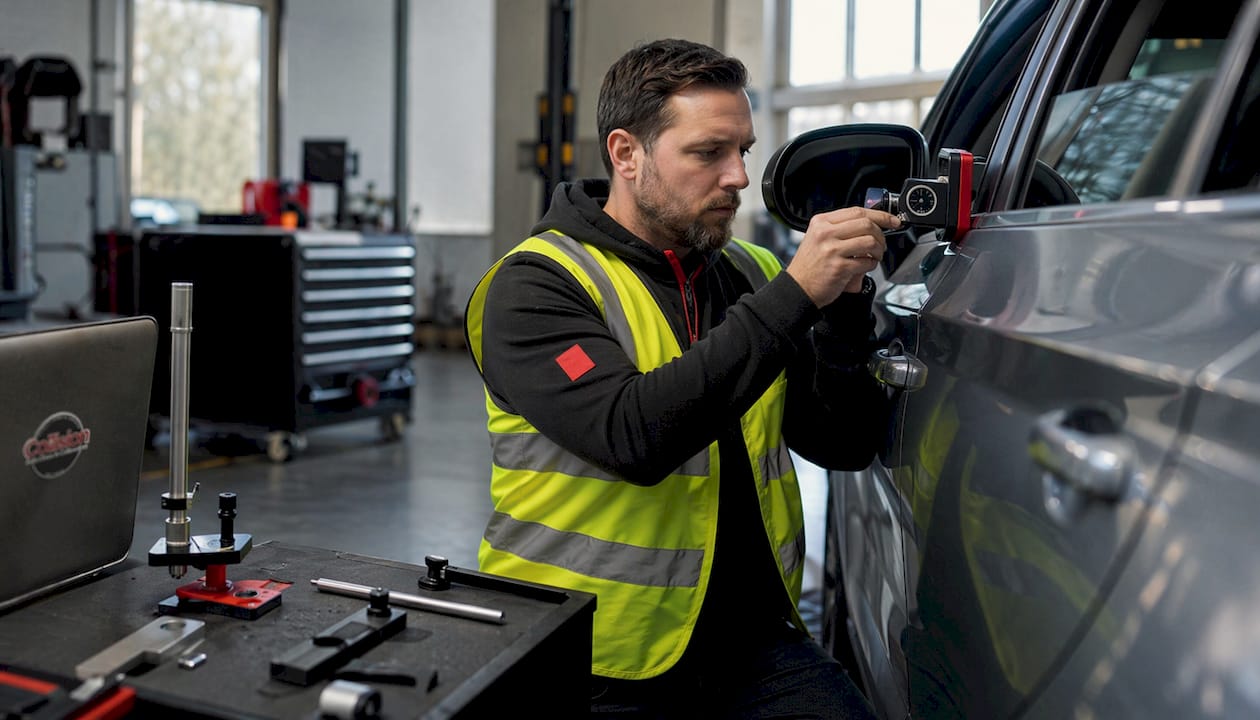
Beyond the method itself, physical sensor mounting angles sometimes require manual adjustment using specialized angle gauges or laser targeting tools before any software calibration can succeed. This step is often skipped by shops without dedicated ADAS equipment.
Common misconceptions about blind spot sensor alignment
The biggest misconception is that a clear dashboard warning light means the system is working correctly. A blind spot monitoring system can operate in a degraded state without triggering any visible fault code. The sensor communicates data, but that data may be inaccurate.
A second widespread misunderstanding involves the side mirror indicator lights. Many drivers assume that because the warning light sits in the mirror, the sensor is also in the mirror. The radar sensors are actually mounted behind the rear bumper or quarter panels, not inside the mirror housing. The mirror light is only a display output. Replacing or adjusting a mirror does not affect sensor alignment.
Risks of improper or DIY blind spot adjustment include:
- Hidden faults in ABS and stability control modules. Misaligned sensors can cause phantom inputs that corrupt data across the vehicle’s broader ADAS network.
- No visible error indication. The system may appear normal while operating outside factory tolerances.
- Voided calibration records. Insurance claims and liability disputes increasingly require documented proof of proper calibration.
- Compounding errors. A DIY reset using a generic OBD tool can introduce new faults without resolving the original misalignment.
Attempting DIY calibration without manufacturer tools risks damaging vehicle safety system communication without triggering obvious errors. Generic scan tools do not have access to the OEM-specific calibration routines that factory-level equipment uses. The result is a system that looks reset but has not been properly verified.
For fleet managers, this risk scales with every vehicle in the fleet. One improperly calibrated unit creates liability exposure that a documented professional service record would eliminate.
How to verify and maintain your blind spot monitoring system
Ongoing system reliability depends on consistent verification practices, not just one-time calibration after a repair. Here is a practical maintenance framework for vehicle owners and fleet managers.
-
Request a post-calibration verification report after every relevant repair. Professional calibration services include pre-scan and post-scan reports, module logs, and on-site verification confirming that sensor aim falls within factory tolerances. Keep these records with the vehicle’s service history.
-
Test the system actively after any body work. Drive on a multi-lane road and observe whether the blind spot indicator activates when vehicles enter your detection zone. A system that fails to alert when a vehicle is clearly present needs immediate inspection.
-
Watch for intermittent alerts on clear roads. False positives, where the warning light activates with no vehicle nearby, indicate sensor misalignment or contamination behind the bumper fascia.
-
Schedule recalibration after suspension modifications. Any change to ride height alters the sensor’s angle relative to the road surface. This applies to seasonal tire swaps on lifted trucks and to fleet vehicles that carry variable loads affecting suspension height.
-
Document all calibration work with the shop’s certification. Calibration certification is the only valid proof that a blind spot system meets safety standards. For fleet managers, this documentation protects the organization in the event of an accident involving a vehicle’s ADAS system.
You can also use motion detection and parking alert technology as a supplementary check. If your parking alerts behave erratically after a repair, that is a reliable signal that your blind spot sensors need professional attention.
Key Takeaways
Blind spot calibration requires professional equipment, OEM procedures, and documented verification to confirm that sensors operate within factory tolerances and protect driver safety.
| Point | Details |
|---|---|
| Calibration triggers are specific | Rear bumper work, suspension changes, and minor collisions all require recalibration per OEM standards. |
| Three methods exist | Static, dynamic, and scan-only calibration serve different scenarios; most vehicles need more than one. |
| Dashboard lights do not confirm accuracy | A system can operate in a degraded state without triggering any visible fault code. |
| DIY calibration creates hidden risks | Generic tools cannot access OEM calibration routines and may introduce faults across ABS and stability modules. |
| Documentation is required proof | Post-calibration reports are the only valid evidence that a blind spot system meets safety standards. |
What we have learned from years of ADAS calibration work
After years of performing ADAS calibration in Portland, the pattern we see most often is not dramatic failure. It is quiet degradation. A vehicle comes in after a rear-end collision. The body work looks clean. The owner drives away satisfied. Six months later, they report that the blind spot warning “seems off” but cannot say exactly how. When we scan the vehicle, the sensor is operating outside factory tolerances, and it has been since the original repair.
The uncomfortable truth is that most shops do not have the equipment to perform a proper static calibration. They perform a scan-only reset, the dashboard clears, and the job is marked complete. That gap between “no fault codes” and “operating correctly” is where accidents happen.
We also see fleet managers who treat calibration as a one-time checkbox rather than an ongoing verification practice. A vehicle that hauls variable loads, gets minor parking lot contact, or goes through a tire rotation and alignment is a vehicle that may need recalibration. The ADAS calibration process is not a set-and-forget procedure.
The most important shift in thinking is this: calibration is proof of a safe system, not just a repair step. When you have a documented post-calibration report, you have evidence. When you do not, you have an assumption.
— Collision Auto Glass & Calibration
Professional blind spot sensor calibration in Portland
Collision Auto Glass & Calibration performs in-house blind spot monitor calibration using factory-spec equipment and OEM procedures, serving Portland drivers and fleet managers who need verified results, not just a cleared fault code.
Every calibration service includes a full pre-scan and post-scan report, giving you documented proof that your sensors meet manufacturer tolerances. Professional blind spot calibration costs between $150 and $400 depending on vehicle and procedure complexity, and Collision Auto Glass & Calibration handles direct insurance billing to simplify the process. Whether you need service after a collision repair or a routine fleet verification, the team at Collision Auto Glass & Calibration delivers same-day turnaround with the documentation your safety record requires. Learn more about choosing the right auto glass shop to make sure your next calibration is done right.
FAQ
What is blind spot calibration?
Blind spot calibration is the process of aligning and initializing a vehicle’s blind spot radar sensors to OEM factory specifications so they accurately detect vehicles in adjacent lanes. It is a required step after any repair or event that affects sensor mounting position or vehicle geometry.
How much does blind spot monitor calibration cost?
Professional calibration typically costs between $150 and $400 depending on the vehicle and the complexity of the procedure required. Costs vary based on whether static, dynamic, or combined methods are needed.
Can I reset my blind spot sensors myself?
DIY calibration without OEM-specific tools risks introducing hidden faults in ABS and stability control modules without triggering visible errors. A generic OBD reset does not verify physical sensor alignment and does not meet manufacturer calibration requirements.
How do I know if my blind spot sensors need recalibration?
Signs include false alerts on clear roads, failure to warn when vehicles are clearly present, or any recent repair involving the rear bumper, quarter panels, or suspension. A professional pre-scan will confirm whether the system is operating within factory tolerances.
Does windshield replacement require blind spot recalibration?
Windshield replacement typically triggers forward-facing camera calibration rather than blind spot sensor calibration. However, if the repair involved any rear body work, a post-repair calibration check is always recommended to confirm all ADAS systems are operating correctly.
Recommended
- Need a New Windshield? Don’t Forget Calibration – Collision Auto Glass & Calibration
- What Is The ADAS Calibration? – Collision Auto Glass & Calibration
- The Hazards of Driving With a Cracked Windshield – Collision Auto Glass & Calibration
- A Guide to Navigating Windshield Replacement Insurance Claims – Collision Auto Glass & Calibration
source https://collisionautoglass.com/blind-spot-calibration-a-complete-guide-for-drivers/